Act on the full information with a
Building Survey

Worked with:








An in-depth examination of the property's structure, fabric, and overall condition.
A building survey is particularly beneficial for older properties, listed buildings, properties in poor condition, or those with unusual features.
A building survey helps potential buyers make an informed decision about whether to proceed with the purchase, renegotiate the price based on any identified issues, or budget for future repairs and maintenance.
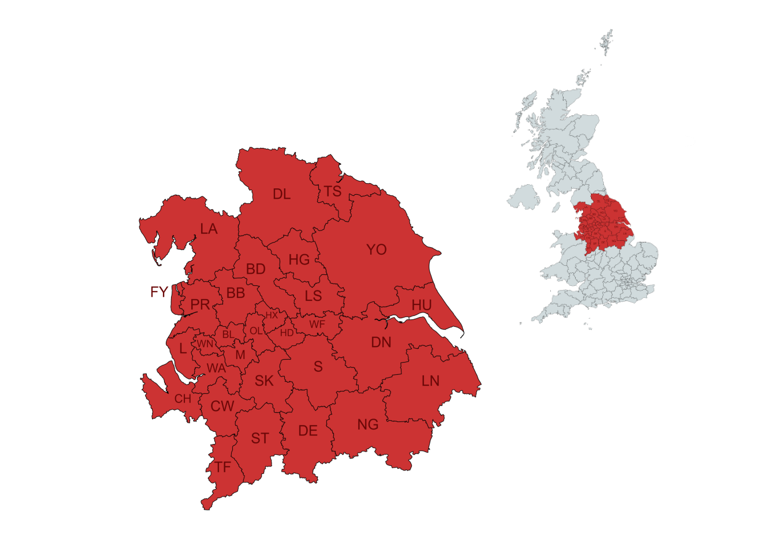
Postcodes covered:
Client reviews:
Surveyor:

Certified | Insured | Reliable
Brian has been surveying properties since 2012.
As an independent professional Surveyor, he’s committed to delivering reliable insight into the condition of what could be the largest purchase of your life.
Find a list of his qualifications here.
Frequently Asked Questions:
-
1.Uncover Hidden Defects and Structural Issues
Surveyors are trained to look past cosmetic appearances to identify serious defects that are not obvious to the average buyer. They check for critical issues like subsidence, damp, roof leaks, and rot, which can cause significant damage if left untreated
2.Avoid Costly Future Repairs
A survey helps you avoid "nasty surprises" after moving in, such as needing a new roof or costly rewiring. By identifying necessary remedial work early, you can budget for repairs or avoid purchasing a property that requires financial investment beyond your budget.
3.Leverage to Negotiate the Sale Price
If a surveyor finds significant faults, the report acts as an impartial document to renegotiate the purchase price. Alternatively, you can ask the seller to fix the problems before exchange.
4.Expert Insight into the Property’s Condition
Surveyors provide an unbiased, professional assessment that contrasts with the emotional, often short, viewings done by buyers. A professional surveyor can provide invaluable context on the property's construction, materials, and long-term maintenance requirements.
5.Peace of Mind
Buying a home is stressful, and a survey ensures you are making a well-informed, objective decision, rather than a risky one based on emotion. A survey helps ensure you are not paying over the odds for a property that could become a financial burden, preventing "buyer's remorse".
-
Structure & Exterior: The roof (tiles, chimneys, gutters), exterior walls, foundation movement, and structural stability.
Interior & Damp: Walls, floors, ceilings, and signs of damp, moisture, or mould, often using damp meters.
Services & Systems: A visual check of plumbing, drainage, electrics, and heating (though they do not test boilers or systems directly).
Safety & Compliance: Hazards like faulty wiring, unsafe staircases, and potential planning permission issues.
Boundaries & Grounds: The property boundaries, outbuildings, and trees.
-
This service is for a Building Condition Survey which includes;
An in-depth examination of the property's structure, fabric, and overall condition.
A building survey is particularly beneficial for older properties, listed buildings, properties in poor condition, or those with unusual features.
A building survey helps potential buyers make an informed decision about whether to proceed with the purchase, renegotiate the price based on any identified issues, or budget for future repairs and maintenance.
-
3 days after the Survey has taken place. You will also get a call to ask if you have any questions which have come up from the survey.
-
Differences between Survey types;
Home Condition Surveys
Building Surveys
Buy to Let Surveys